Warehouse & 3PL integrations that don’t break under pressure
Connect WMS/3PL systems to your ecommerce stack — reliably, in real time, and at scale.
Patchworks helps brands and ecommerce agencies integrate Warehouse Management Systems (WMS) and Third-Party Logistics (3PL) providers into modern commerce stacks — without brittle custom builds, delayed data, or operational blind spots.
Whether you’re scaling fulfilment, adding new partners, or preparing for peak trading, Patchworks gives you control over inventory, orders, shipping, and fulfilment data — end to end.
Talk to a Patchworks iPaaS expert today!
When WMS and 3PL integrations fail, everything feels it
For brands, fulfilment is where customer experience and revenue collide. For agencies, it’s often where projects slow down, scope creeps, and risk explodes.
Common challenges we see every week:
✖️ Inventory syncing too slowly — overselling and stockouts ✖️ Orders stuck or duplicated between platforms ✖️ Shipping updates delayed or missing entirely ✖️ Manual workarounds during peak periods ✖️ Custom scripts no one wants to own or maintain ✖️ Each new warehouse or 3PL multiplying complexity
The root issue isn’t the WMS or the 3PL. It’s the way they’re connected.
One integration layer. Many fulfilment systems. Total control.
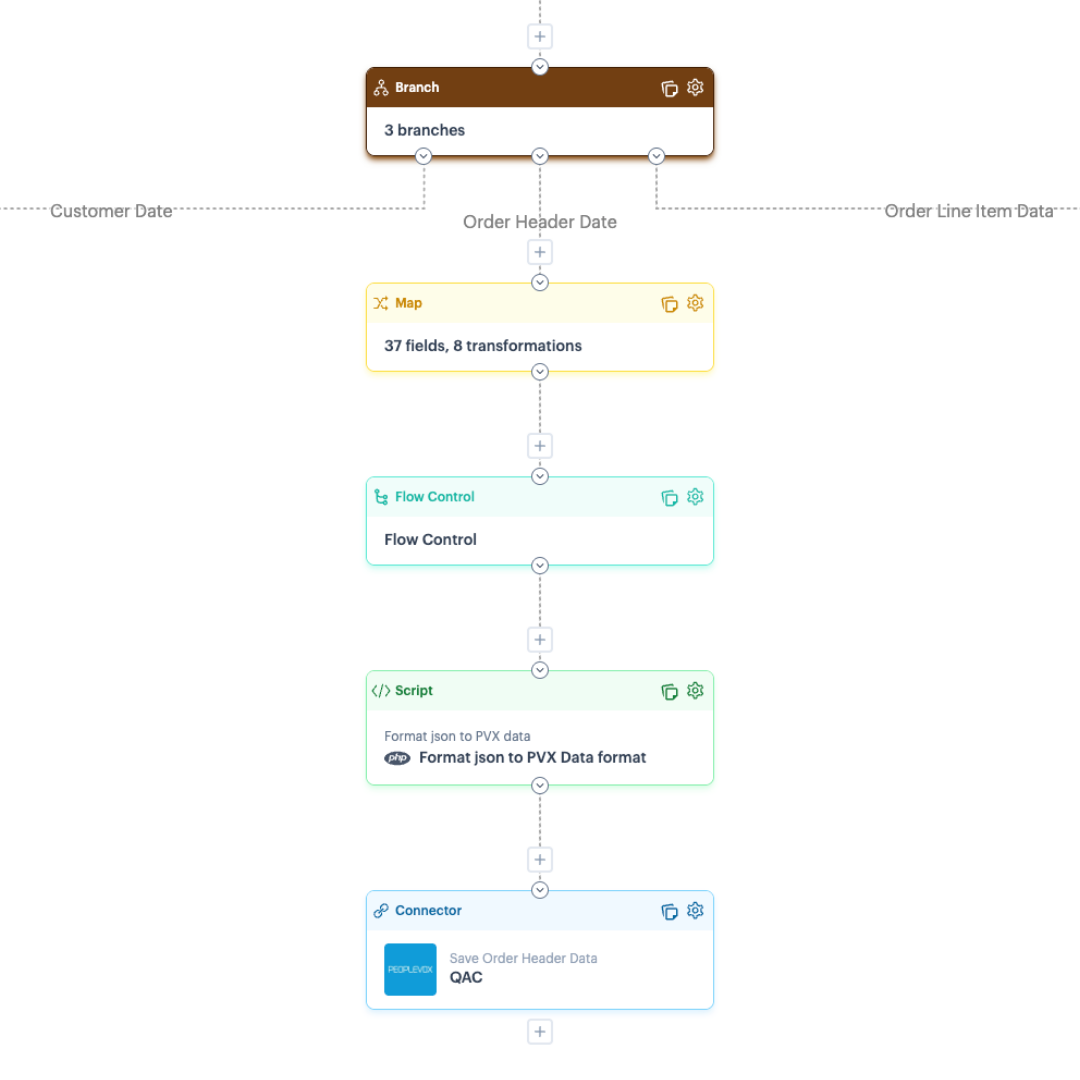
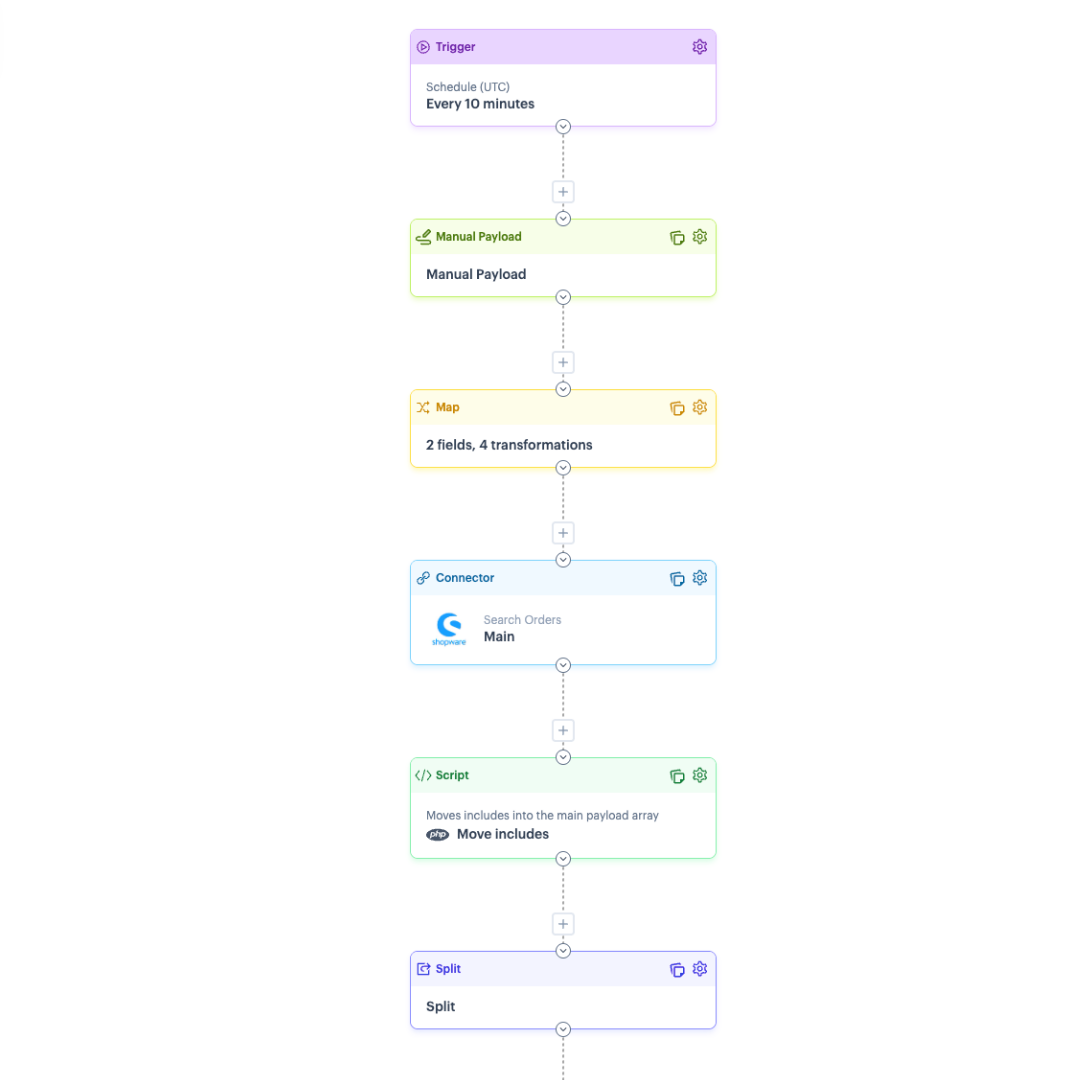
Patchworks is the only retail-first iPaaS that sits between your ecommerce platform, ERP, WMS, and 3PLs — orchestrating data flows in real time and at scale.
Instead of point-to-point integrations, you get a governed, observable integration layer built for complex and high-volume commerce operations.
What that means in practice:
Orders flow cleanly from storefront to warehouse
Inventory stays accurate across channels
Fulfilment and shipping updates sync automatically
Errors are visible, traceable, and fixable — fast
For ecommerce experts, by ecommerce experts
If you’re responsible for:
Fulfilment performance
Inventory accuracy
Platform reliability
Peak trading readiness
Patchworks helps you:
Reduce operational risk as you scale fulfilment
Add or change 3PLs without re-architecting everything
Keep inventory, orders, and shipping data aligned
Design for peak conditions — not “average” days
Outcome: fewer firefights, fewer manual fixes, and more confidence in your stack.
What you can integrate with Patchworks and WMS/3PL platforms?
✔️ Orders (creation, updates, cancellations) ✔️ Inventory levels (real-time or near real-time) ✔️ Fulfilment status and tracking ✔️ Shipping confirmations and carrier data ✔️ Returns and exceptions ✔️ Error handling and retry logic
That’s why teams choose Patchworks for WMS and 3PL integrations when reliability matters.
Additional flows and logic can be added or modified as requirements evolve
A WMS (Warehouse Management System) or 3PL (Third-Party Logistics) integration connects your fulfilment partners with the rest of your ecommerce stack — typically your storefront, ERP, OMS, and shipping tools.With Patchworks, these systems exchange orders, inventory, fulfilment status, and shipping updates automatically, without manual work or fragile custom scripts.
Which WMS and 3PL systems does Patchworks support?
Patchworks already works with a wide range of WMS and 3PL platforms, including providers such as ShipBob, Huboo, Veeqo, Whistl, Flexport, and nShift. If your provider isn’t listed, that’s not a blocker. Patchworks regularly designs and deploys new WMS and 3PL integrations based on real operational requirements. So just ask us!
Can Patchworks handle multiple warehouses or 3PLs?
Yes. This is one of the most common reasons teams use Patchworks.Patchworks is designed to support:Multiple warehousesMultiple 3PLsRegion-specific fulfilment rulesSplit or routed order flowsAll from a single integration layer, rather than a web of point-to-point connections.
How does Patchworks keep inventory accurate across systems?
Patchworks orchestrates inventory data centrally, rather than relying on slow or brittle syncs between systems. That means inventory updates, flow consistently across platforms, conflicts and errors are visible, not hiddenYou reduce overselling, stockouts, and manual fixes. The exact approach depends on your stack and fulfilment model — which is why integrations are designed around your real workflows, not templates alone.
Is Patchworks suitable for high-volume or peak trading periods?
Yes. Patchworks is built specifically for commerce environments with spikes in volume, such as peak trading, promotions, or international launches. Integrations are designed for high transaction throughput, resilience under load, and clear monitoring and error handling. So issues don’t surface when it’s already too late.
How is this different from a custom-built integration?
Custom integrations often work — until they don’t. Typical problems include limited visibility when something fails, high maintenance costs, difficulty scaling or adding new partners, and knowledge locked to one developer or agency. Patchworks provides a governed, observable integration layer, so integrations are easier to maintain, adapt, and scale as your operations grow.
Do agencies use Patchworks for client projects?
Yes. Many ecommerce agencies use Patchworks to deliver WMS and 3PL integrations across multiple clients. For agencies, Patchworks helps reduce custom development time, standardise fulfilment integrations, lower long-term support and maintenance risk, and deliver more reliable outcomes for clients. It’s often used as a repeatable foundation, rather than reinventing integrations project by project.
How long does a typical WMS or 3PL integration take?
Timelines depend on the systems involved, data complexity, fulfilment rules, and number of warehouses or regions. That said, using Patchworks is significantly faster and lower-risk than starting from scratch, especially when building on existing connectors and proven patterns.
Can Patchworks integrate WMS and 3PLs with Shopify and ERPs?
Yes. Patchworks commonly connects WMS and 3PL platforms with ecommerce storefronts like Shopify, alongside ERPs, OMSs, and finance systems. The goal is a single, coherent flow of data across your entire commerce operation — not isolated integrations that only solve part of the problem.
Talk to a WMS & 3PL integration expert 👋
Whether you’re:
Planning a new fulfilment setup Adding or replacing a 3PL Fixing unreliable integrations Preparing for peak trading
We’ll help you design an integration approach that actually holds up in the real world.